
A trip to the grocery store. A drive home from work. A walk through a parking lot. Most accidents happen during ordinary moments that begin like any other day. In the hours that follow, people often focus on immediate concerns such as medical treatment, transportation, missed work, and helping family members adjust. What many do not realize is that another process has already begun. A record of what happened is quietly taking shape through photographs, medical notes, receipts, emails, and insurance communications.
Months later, those records often tell the story more clearly than memory ever could.
Key Takeaways
- Documentation often becomes more important over time.
- Small records can help establish a timeline of events.
- Medical notes, receipts, and photographs each serve a different purpose.
- Missing details are harder to recreate months after an injury.
- Insurance decisions frequently rely on documented information.
- Keeping organized records can reduce stress during recovery.
- Legal guidance may help people understand which documents carry the most weight.
The First Days Create the Foundation
After an unexpected injury, most people assume they will remember the important details. The location, time, conversations, and sequence of events all seem impossible to forget. Yet memory changes quickly, especially during stressful situations.
The first few days often produce some of the most valuable records. Photos of the scene, visible injuries, damaged property, weather conditions, and surrounding circumstances can provide context that may not exist later. Even seemingly minor details can become important when questions arise weeks or months afterward.
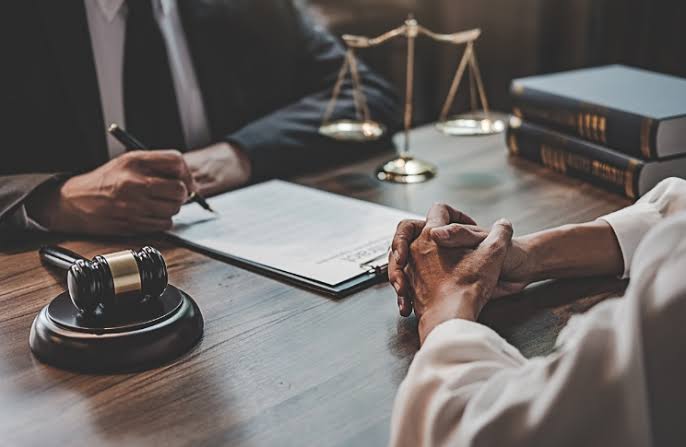
This is one reason injury documentation receives so much attention. In some situations, a conversation with a Las Vegas personal injury lawyer begins not with questions about fault or compensation, but with whether the basic records needed to reconstruct events still exist.
Why Everyday Documents Matter More Than People Expect
Many of the most useful records are not dramatic. They are ordinary documents created during daily life. A pharmacy receipt can show when medication was purchased. An email to an employer may confirm missed work. Appointment reminders can establish treatment dates. Transportation receipts may demonstrate the cost of traveling to medical visits.
Individually, these items may seem insignificant. Together, they create a timeline. That timeline often helps explain how an injury affected someone’s daily routine, financial obligations, and recovery process.
People frequently underestimate the value of these records because they do not appear connected to the accident itself. In reality, they often help fill gaps that larger documents cannot explain.
The Story Hidden Inside Medical Records
Medical records serve a purpose beyond documenting treatment. They often provide one of the clearest descriptions of how an injury developed over time.
Emergency room notes capture immediate concerns. Follow-up appointments reveal whether symptoms improved, worsened, or remained unchanged. Physical therapy records may document functional limitations that affect everyday activities.
Consistency matters. When medical records accurately reflect symptoms and treatment progress, they help create a clearer picture of the recovery journey. Delayed treatment, missed appointments, or incomplete information can sometimes make that picture harder to understand.
For many people, medical records become the backbone of the overall paper trail because they document both the injury and its ongoing impact.
The Insurance File Is Growing Too
While an injured person focuses on recovery, insurance companies are also creating records. Phone calls generate claim notes. Emails become part of a file. Statements, repair estimates, and supporting documents are reviewed and stored. Every interaction contributes to an evolving record of the claim.
This reality highlights the importance of keeping personal copies of everything submitted or received. Documents can be misplaced, misunderstandings can occur, and memories of conversations may differ. Having a complete record helps reduce confusion when questions arise later.
Good organization does not require expensive software or complicated systems. A dedicated folder, whether digital or physical, can often make a significant difference.
The Documents People Often Forget
Some of the most valuable records are the ones people rarely think to save. A personal journal describing pain levels and daily limitations can provide context that medical records may not fully capture. Calendar entries may show missed family events or work commitments. Correspondence with employers can illustrate changes in job duties or work schedules.
These documents help explain how an injury affects real life rather than simply describing a diagnosis. Recovery is not experienced on paper. It happens in daily routines, relationships, and responsibilities. Supporting records can help preserve that reality long after the event itself.
When Professional Review Becomes Useful
As documentation grows, understanding which records matter most can become challenging. Some documents carry significant weight, while others may have limited relevance depending on the circumstances.
This is where professional legal counsel may provide value. Reviewing records, identifying missing information, and evaluating how different pieces fit together can help people better understand their situation. A case evaluation is often less about predicting an outcome and more about understanding the strength and completeness of the available information.
The goal is not simply collecting documents. It is preserving an accurate account of what happened and how life changed afterward.
The Record Future You Will Need
Most people never expect to build a file documenting an injury. Yet when an accident occurs, records often become one of the most important tools available.
Photographs fade into phone galleries. Conversations become harder to remember. Dates blur together. Documents remain.
The paper trail that matters most is rarely a single report or photograph. It is the collection of small records created over time that work together to tell a complete and credible story. When questions arise months later, those records often become the closest thing to a reliable witness.
