
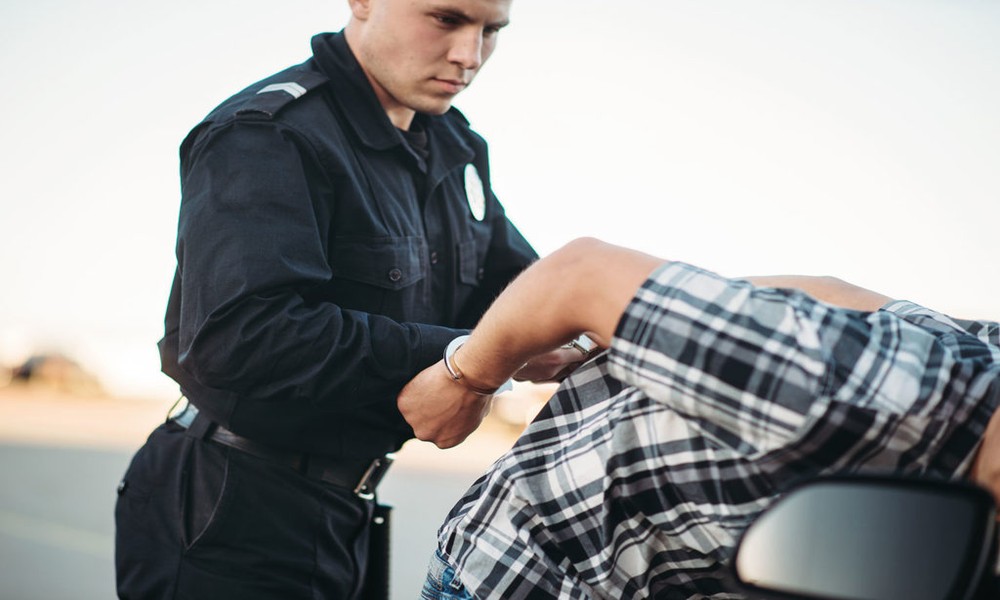
Being wrongfully arrested or subjected to police brutality is one of the most violating experiences a person can endure. Many victims do not pursue legal action because they do not believe the system will work for them, or because they do not know their rights. A civil rights and wrongful arrest attorney exists precisely to change that equation – to hold law enforcement accountable and fight for the compensation you deserve.
What Is Wrongful Arrest?
A wrongful arrest – also called a false arrest – occurs when law enforcement detains or arrests a person without legal justification. The Fourth Amendment to the United States Constitution protects citizens from unreasonable seizures, including arrests made without probable cause.
Probable cause exists when law enforcement has a reasonable basis to believe a crime has been committed and that the specific person being arrested committed it. An arrest made on a hunch, based on racial profiling, as retaliation for lawful activity, or because of mistaken identity does not meet the legal standard. When officers arrest without probable cause, the arrest is unconstitutional – and the victim has the right to pursue a civil claim.
What Is Police Brutality Under the Law?
Police brutality encompasses the use of force by law enforcement that exceeds what is objectively reasonable under the circumstances. The legal standard – established by the United States Supreme Court – is whether the force used was reasonable from the perspective of a reasonable officer on the scene, given the facts known at the time.
Excessive force includes unjustified physical beatings, the use of tasers or pepper spray without justification, improper use of chokeholds or restraint techniques that cause injury, and the use of deadly force against individuals who posed no genuine threat.
Qualified Immunity and How It Affects Your Case
One of the most significant challenges in police misconduct litigation is the doctrine of qualified immunity, which shields government officials from personal liability unless they violated a clearly established legal right. Courts have interpreted this doctrine broadly, making it difficult to sue individual officers even in cases of serious misconduct.
However, qualified immunity does not protect the government entity – the municipality, county, or police department – from liability. Claims against local governments under 42 U.S.C. Section 1983 allow victims to pursue compensation from the government when unconstitutional conduct results from official policy or a consistent pattern of failure to train and supervise officers.
How to File a Civil Rights Claim
Section 1983 of the Civil Rights Act allows individuals to sue state and local government actors for violations of their constitutional rights. These are federal civil rights lawsuits that can be filed in federal court and that allow for recovery of compensatory damages, attorney fees, and in some cases punitive damages against individual officers.
To succeed, you generally must show that your constitutional rights were violated, that the officer or agency acted under color of state law – meaning in their official capacity – and that the violation caused your injuries. Evidence is critical: body camera footage, dashcam video, witness statements, medical records documenting injuries, and cell phone footage from bystanders can all be decisive.
What Compensation Can Wrongful Arrest Victims Recover?
Victims of wrongful arrest and police brutality can pursue compensation for medical treatment for physical injuries sustained during the arrest or detention, lost wages if incarceration caused lost employment, emotional distress, post-traumatic stress disorder, damage to your reputation, and legal expenses incurred in defending against charges that should never have been brought. In cases involving particularly egregious or intentional misconduct, punitive damages against individual officers are possible.
Statutes of Limitations in Alabama and Florida
Civil rights claims under Section 1983 are generally governed by the state’s personal injury statute of limitations. In Alabama, this is generally two years. In Florida, it is four years. State law claims for false arrest or false imprisonment may have shorter deadlines. Timeliness is essential. Evidence disappears. Body camera footage may be deleted if not preserved through a legal hold request. Contact a wrongful arrest attorney as soon as possible after an incident.
Fighting Back Through the Legal System
The power imbalance between an individual and a law enforcement agency feels overwhelming. But civil rights litigation exists specifically to correct that imbalance. At More 2 You Law, lawyers represent victims of wrongful arrest and police brutality in Alabama and Florida, fighting for accountability and maximum compensation while charging 25 percent or less. If your rights were violated, you deserve more than an apology.
