
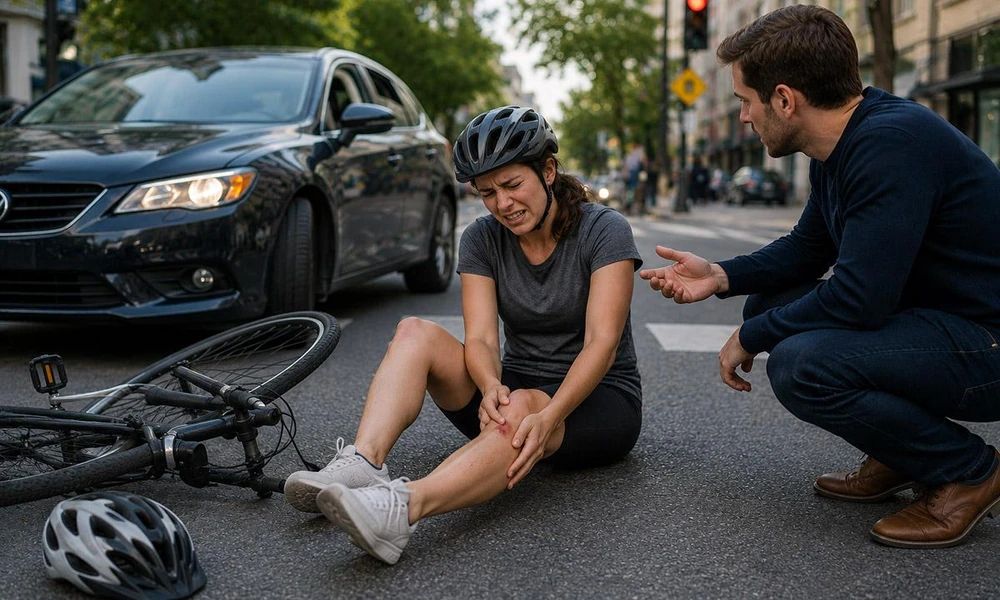
Understanding California Helmet Laws and How They May Affect Bicycle Accident Claims.
Bicycling offers numerous benefits, including exercise, recreation, environmental advantages, and convenient transportation. However, cyclists remain vulnerable to serious injuries when collisions with motor vehicles occur. Because bicycles provide little physical protection, even relatively low-speed accidents can result in significant medical complications, lost income, and long-term physical challenges.
After a bicycle accident, injured riders often have concerns about whether they can pursue compensation, especially if they were not wearing a helmet at the time of the collision. Many cyclists assume that failing to wear a helmet automatically prevents them from filing a personal injury claim. In California, however, the legal reality is more nuanced.
While helmet use is strongly encouraged for safety reasons, not wearing a helmet does not automatically eliminate a cyclist’s right to seek compensation after an accident caused by another party’s negligence. Instead, California law considers multiple factors when determining liability and damages.
Understanding how helmet laws intersect with bicycle accident claims can help injured cyclists better understand their rights and legal options following a collision.
At Oracle Injury Attorneys, the legal team assists bicycle accident victims throughout Orange County and the Inland Empire in navigating complex injury claims and pursuing compensation after serious crashes. Through thorough investigations and dedicated advocacy, the firm works to protect the rights of injured cyclists.
“Not wearing a helmet does not automatically prevent injured cyclists from pursuing compensation when another party’s negligence caused the accident.”
California Bicycle Helmet Laws
California has specific laws regarding bicycle helmet use.
Under California Vehicle Code Section 21212, individuals under the age of 18 are generally required to wear properly fitted and fastened bicycle helmets when:
- Riding a bicycle
- Operating non-motorized scooters
- Using skateboards
- Riding roller skates or in-line skates
For adults aged 18 and older, California law does not generally require helmet use while riding a bicycle.
This distinction becomes important when evaluating personal injury claims following bicycle accidents.
Although adult cyclists are not legally obligated to wear helmets, insurance companies may still attempt to argue that helmet use could have reduced injury severity.
However, the absence of a helmet does not automatically establish fault for the accident itself.
Liability for the Bicycle Accident Versus Injury Severity
One of the most important legal distinctions in bicycle accident cases involves separating the following:
Responsibility for Causing the Accident
and
The Extent of the Injuries Sustained
Even if a cyclist was not wearing a helmet, another party may still be legally responsible for causing the collision.
Examples of driver negligence include:
- Failing to yield the right-of-way
- Distracted driving
- Speeding
- Unsafe lane changes
- Opening vehicle doors into cyclists (“dooring”)
- Running stop signs or red lights
- Driving under the influence
A motorist who causes a bicycle accident through negligent conduct may still be liable for damages regardless of whether the cyclist wore a helmet.
However, helmet use may be relevant when evaluating whether certain injuries-particularly head injuries-could have been mitigated.
“The absence of a helmet may affect discussions about injury severity, but it does not automatically excuse negligent drivers from responsibility.”
California’s Comparative Negligence System
California follows a pure comparative negligence system.
Under this legal framework, injured individuals may still recover compensation even if they share some degree of responsibility for their injuries.
However, compensation may be reduced based on the injured person’s percentage of fault.
For example:
- Total damages: $500,000
- Cyclist assigned 20% responsibility
- Potential recovery: $400,000
Insurance companies may attempt to argue that failing to wear a helmet contributed to the extent of certain injuries.
Importantly, comparative negligence typically focuses on whether the cyclist’s actions contributed to the injuries rather than causing the accident itself.
Courts often evaluate:
- The nature of the injuries
- Whether helmet use would likely have reduced injury severity
- Expert medical opinions
- Accident reconstruction evidence
Each case depends heavily on its specific facts and circumstances.
How Helmet Use May Affect Different Types of Injuries
The relevance of helmet use often depends on the specific injuries involved.
Head and Brain Injuries
Insurance companies may argue that helmet use could have lessened the following:
- Concussions
- Skull fractures
- Traumatic brain injuries
Medical experts may be consulted to evaluate whether a helmet would likely have altered the outcome.
Non-Head Injuries
Helmet use generally has little relevance regarding injuries such as:
- Broken arms
- Leg fractures
- Spinal injuries
- Internal organ damage
- Shoulder injuries
- Road rash
In these situations, the absence of a helmet may have minimal impact on compensation discussions.
Because every accident presents unique injury patterns, individualized legal analysis remains important.
Common Causes of Bicycle Accidents in California
Many bicycle accidents occur because motorists fail to recognize or respect cyclists’ rights to share the roadway.
Common causes include:
Distracted Driving
Mobile device use and other distractions reduce driver awareness.
Failure to Yield
Drivers may improperly enter intersections or turn across cyclists’ paths.
Unsafe Passing
California’s Three Feet for Safety Act requires drivers to maintain appropriate distance when passing bicyclists.
Dooring Accidents
Occupants opening vehicle doors into cyclists’ paths create serious hazards.
Speeding
Excessive speed increases both collision risk and injury severity.
Driving Under the Influence
Impaired drivers may have delayed reaction times and poor judgment.
When motorists engage in negligent behavior, injured cyclists may have the right to pursue compensation regardless of helmet use.
Compensation Available After Bicycle Accidents
Injured cyclists may be entitled to recover various forms of compensation depending on the circumstances of the accident.
Potential damages include the following:
Economic Damages
These may include:
- Medical expenses
- Future medical treatment costs
- Rehabilitation expenses
- Lost wages
- Loss of future earning capacity
Non-Economic Damages
These may compensate for:
- Pain and suffering
- Emotional distress
- Physical impairment
- Loss of enjoyment of life
- Permanent disability
The overall value of a claim depends on factors such as injury severity, recovery prognosis, and the impact on daily activities.
Helmet-related arguments represent only one component of the broader compensation analysis.
Steps to Take After a Bicycle Accident
Cyclists injured in accidents should consider taking several important steps to protect both their health and legal rights.
Seek Immediate Medical Attention
Prompt treatment supports recovery and creates important medical documentation.
Contact Law Enforcement
Police reports often provide valuable evidence regarding fault.
Gather Evidence
- Driver information
- Insurance details
- Witness contact information
- Photographs of the scene
- Bicycle damage documentation
Preserve Equipment
Damaged bicycles and helmets may provide important evidence.
Consult a Bicycle Accident Attorney
Legal guidance can help address insurance disputes and comparative negligence arguments.
Prompt action often improves opportunities to preserve critical evidence.
Frequently Asked Questions
Can I recover compensation if I was not wearing a helmet?
Yes. Not wearing a helmet does not automatically prevent you from pursuing compensation after a bicycle accident caused by another party’s negligence.
Are adults required to wear bicycle helmets in California?
Generally, California law requires helmets for cyclists under 18 years old. Adults are typically not legally required to wear helmets.
Can insurance companies reduce compensation because I was not wearing a helmet?
Potentially. Insurers may argue that helmet use could have reduced certain head injuries, although this does not automatically bar recovery.
What types of damages can bicycle accident victims recover?
Compensation may include medical expenses, lost wages, pain and suffering, and other accident-related losses.
Should I speak with an attorney after a bicycle accident?
Because bicycle accident claims often involve complex liability and comparative negligence issues, legal guidance may be beneficial.
Protect Your Rights With Oracle Injury Attorneys
Bicycle accidents can lead to devastating physical, emotional, and financial consequences. While wearing a helmet remains an important safety practice, failing to wear one does not automatically eliminate your ability to seek compensation after an accident caused by someone else’s negligence.
At Oracle Injury Attorneys, experienced personal injury attorneys advocate for injured cyclists throughout Orange County and the Inland Empire. Through comprehensive investigations and dedicated legal representation, the firm works to help bicycle accident victims pursue the compensation they deserve.
If you or a loved one has been injured in a bicycle accident, contact Oracle Injury Attorneys today to discuss your legal options and learn how the firm can help protect your rights.
